 Full Circle Acupuncture & Wellness
The other day I was looking around my kitchen and garden and realized how many simple herbs I use regularly, often in my tea cup. I thought I'd share a few of my favorites and how I use them at home. Read on to learn a little about sage, mint, chamomile, astragalus, hawthorn berry and sunflower petals. Yes, even sunflower petals! All of these don't just taste good, they may also support your mood, energy, digestion, and more. I hope this encourages you to try a few and enjoy their everyday magic!
🌿 Hawthorn Berry (Shan Zha): A Natural Digestive and Heart Health Aid and Herb at Home
Shan Zha, known in English as hawthorn berry, has been used for centuries in Chinese herbal medicine as a powerful aid for digestion and circulation. In Western terms, it's also recognized for its ability to support healthy cholesterol, blood pressure, and blood sugar levels.
Hawthorn is particularly helpful after heavy meals, especially those high in fat and meat, and is often used to relieve bloating, sluggish digestion, and food stagnation. It also promotes circulation and is used to gently move blood, making it supportive for mild cardiovascular concerns.
🍵 How to Use Hawthorn Berry at Home
You can find Shan Zha in several forms:
1. Raw, Whole (Unsliced) Hawthorn Fruit
- Rinse a small handful (about 10–15 grams or 5–8 berries)
- Soak in hot water for 15–30 minutes to soften
- Optional: Lightly crack them with a rolling pin or mortar for better extraction
- Boil in 2–3 cups of water for 30–40 minutes
- Strain and drink while warm. Use after meals or daily for 1–2 weeks
2. Raw, Sliced Hawthorn (the Traditional Decoction Form)
- Use 10–15 grams (about 1 small handful)
- Add to 2–3 cups of water
- Bring to a boil, then simmer for 15–30 minutes
- Strain and drink, especially after meals
3. Raw Hawthorn Powder
- Add 1/2 to 1 teaspoon to smoothies, warm water, tea, applesauce, or oatmeal
- Great for people who want the benefits without boiling
🌿 Sage: Earthy, Warming, and Flavorful and a Great Herb for Home
Sage is a wonderfully aromatic herb best known for its use in cooking. It has a strong, earthy, slightly peppery flavor that pairs especially well with meats, stews, broths, and roasted vegetables. It adds depth, warmth, and a grounding quality to food — especially in cooler weather.
🍲 How to Use Sage in Food
- Roast chicken or turkey
- Lamb and pork
- Stuffing, gravies, and bone broths
- Root vegetables and mushrooms
- Beans and lentil stews
☕ Sage as Tea, a Great Herbs at Home
To make tea:
- Use 1 teaspoon dried sage leaves
- Add 1 cup hot water (190–205ºF)
- Steep 3–5 minutes, then strain
🌼 Chamomile: A Gentle Herbal Ally for Relaxation and Rest
Chamomile is one of the most widely used herbal teas in the world. With its delicate floral scent and mild, apple-like flavor, chamomile is safe, effective, and deeply soothing.
🍵 How to Use Chamomile at Home
- Use 1–2 teaspoons of dried chamomile flowers
- Add 1 cup of just-boiled water
- Cover and steep for 10–15 minutes
- Strain and drink warm, ideally 30–60 minutes before bed
Chamomile pairs beautifully with lemon balm, lavender, and peppermint.
🌞 Astragalus (Huang Qi): A Natural Energy Tonic for Daily Use
Huang Qi, known in English as astragalus root, is one of the most beloved herbs in Chinese medicine. Traditionally used to tonify Qi (vital energy), astragalus supports energy levels, immune strength, and resilience.
1. Astragalus Tea
- Use 10–15 grams (about 4–6 root slices)
- Add to 3 cups of water
- Bring to a boil, then simmer gently for 30–45 minutes
- Strain and drink warm or room temperature
2. Astragalus in Broths and Soups
- Toss 3–6 sticks of Huang Qi into your soup or broth pot
- Simmer with other ingredients for at least 30 minutes
- Strain out the root slices before eating
🍵 How to Use Mint (Bo He) at Home
1. Mint Tea for Digestion and Calm
- Use 1–2 teaspoons of dried mint leaves, or a small handful of fresh mint
- Pour just-boiled water over the mint
- Cover and steep for 5–10 minutes
- Strain and enjoy warm or cool
2. Use Mint as Food!
- Add chopped fresh mint to salads, soups, yogurt, smoothies, and grain bowls
- Use in sauces like mint chutney, tzatziki, or pesto
- Toss into fruit dishes, iced drinks, or cocktails/mocktails
🌻 Sunflower Petal Tea (Kui Hua Ban): A Cup of Sunshine
I grow my own sunflowers, and when the blooms are full and golden, I harvest the petals and dry them. I like to add them to my mint tea because sunflowers lift my mood. There's something about the bright yellow petals in my teacup that brings me joy.
☕ How to Make Sunflower Petal Tea
- Boil water (about 190–205ºF)
- Add 1–10 dried sunflower petals to a cup
- Pour hot water over them
- Steep 3–5 minutes
- Strain and sip
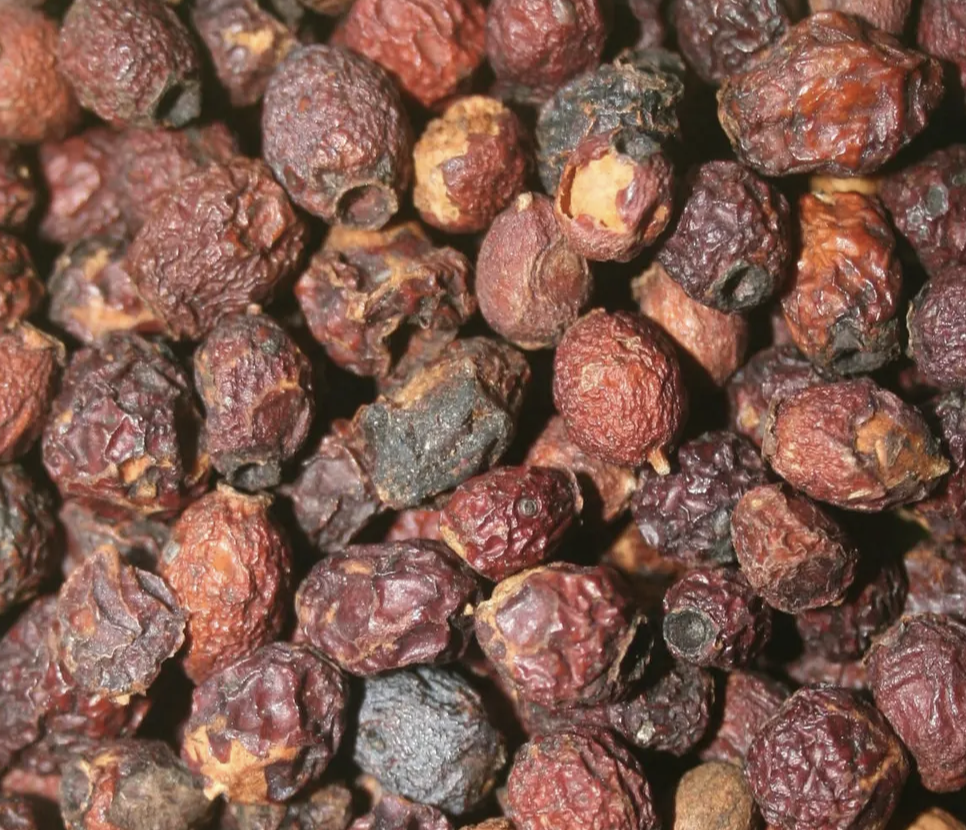 Raw Shan Zha, Hawthorn Berry
 Sage
Sage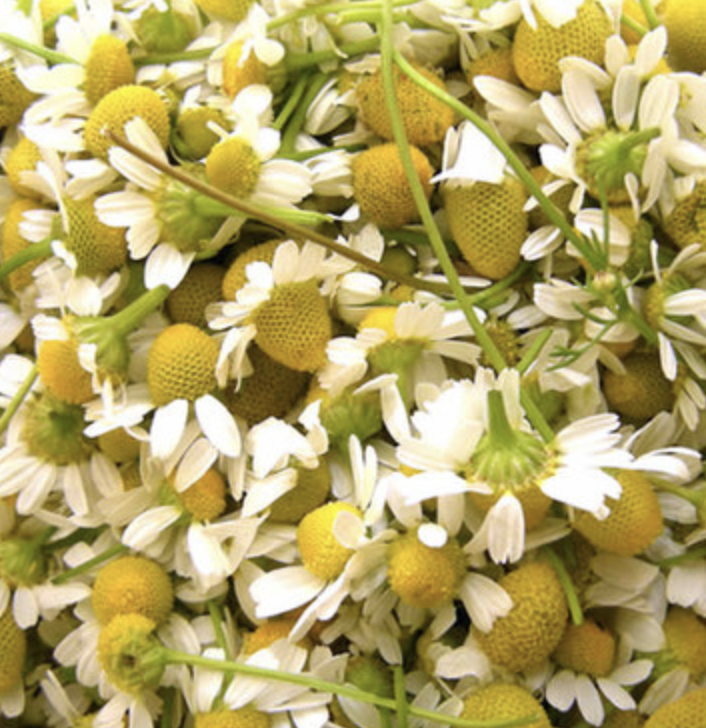 Chamomile
 Astragalus
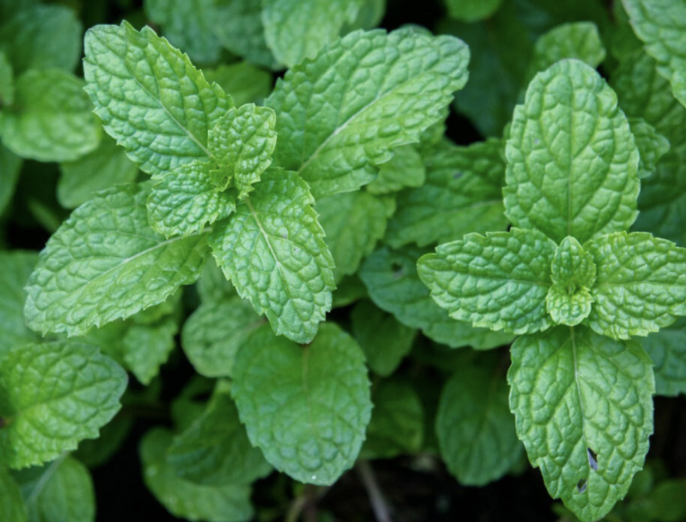 Mint, Bo He
 Sunflower petals!
Looking for simple, home-friendly ways to incorporate healing herbs into your daily routine? These five herbs can easily be enjoyed as teas or culinary additions.
🌿
Sage
Clears heat, calms the mind, supports memory. Make a simple tea or add to roasted vegetables.
🌼
Chamomile
Soothes digestion, promotes sleep, calms anxiety. Perfect as an evening tea.
🌻
Sunflower Petals
Brightens mood, clears Liver heat. Steep in hot water for a gentle tea.
❤️
Hawthorn Berries
Supports heart health, aids digestion of fats. Simmer into a tangy tea.
⚡
Astragalus
Boosts immunity, builds Qi. Add slices to soups and broths for daily nourishment.
🌿 Learn More Kitchen Medicine
Schedule a consultation to discover personalized herbal recommendations for your home.